Cheam Village carpet cleaning guide for Nonsuch Park homes
If you live near Nonsuch Park, you already know the area has its own rhythm: family traffic, muddy shoes after a walk, pets racing in from the garden, and the occasional spilt tea that somehow finds the lightest carpet in the room. This Cheam Village carpet cleaning guide for Nonsuch Park homes is here to help you make sense of all that, without the fluff. Whether you are trying to freshen up a hallway runner, tackle a stubborn stain, or decide if professional steam cleaning is worth it, you will find clear, practical advice below.
The aim is simple. Help you protect your carpets, keep your home feeling clean and comfortable, and avoid the common mistakes that cost time, money, and a fair bit of frustration. Let's get into it.
Why Cheam Village carpet cleaning guide for Nonsuch Park homes Matters
Homes around Nonsuch Park often deal with a slightly different pattern of wear than a flat in a busier high-street block. You have footfall from family life, park-side debris, and sometimes a bit of outdoor grit that gets carried in without anyone noticing. Then it settles deep into the pile, where it acts like sandpaper every time someone walks across it. Not ideal.
Carpets do more than soften a room. They affect how a home smells, how bright it feels, and even how long the flooring underneath lasts. A well-kept carpet can make a living room feel calm rather than tired, and a hallway feel welcoming rather than just well-used. That matters especially in Cheam Village homes, where many people want the house to feel tidy, lived-in, and easy to maintain.
There is also a comfort angle. Dust, crumbs, pollen, pet hair, and tracked-in soil all build up gradually. You might not notice the change week by week, but one day the carpet looks duller, feels rougher underfoot, and seems to hold onto odours. Truth be told, that slow drift is what catches people out.
For households with children, pets, or visitors coming and going, regular carpet care is not a luxury. It is maintenance. And if you are comparing options, a sensible starting point is understanding what proper carpet cleaning should actually do, rather than just how quickly it can be booked.
How Cheam Village carpet cleaning guide for Nonsuch Park homes Works
At its simplest, carpet cleaning means removing embedded dirt, stains, residue, and odour from the fibres and backing as safely and thoroughly as possible. Different methods do this in different ways. Some use hot water extraction, some rely on low-moisture systems, and some are better suited to delicate fibres or specific stains.
Professional cleaning usually starts with inspection. The cleaner looks at the fibre type, the level of soil, any worn patches, stains, loose threads, and whether the carpet has signs of previous treatment. That matters because wool, synthetic blends, and delicate rugs all behave differently. Use the wrong method and you can set a stain, flatten the pile, or leave behind too much moisture. Nobody wants a damp-smelling room by teatime.
In many Cheam Village homes, steam-based hot water extraction is a strong all-round option because it can reach deeper into the pile. If you are comparing techniques, a dedicated steam carpet cleaning approach is often chosen for heavily used family rooms, landings, and stairs. That said, it is not always the only answer. Spot work, specialist stain treatment, and rug care may be better handled separately.
A sensible clean usually follows this sequence:
- Pre-inspection and fibre check
- Dry vacuuming to lift loose soil
- Spot treatment for stains and traffic marks
- Agitation or pre-conditioning where needed
- Main clean using the chosen method
- Careful extraction and moisture control
- Drying support and final inspection
That is the basic flow. The details are where the quality lives.
Key Benefits and Practical Advantages
Good carpet cleaning gives you more than a brighter floor. It changes how the home feels, and that is something people notice the minute they walk in. A clean carpet can make a room seem fresher, larger, and better cared for. Small thing? Maybe. But it adds up.
- Better appearance: traffic lanes look lighter, fibres stand up more neatly, and the carpet regains some of its original colour depth.
- Improved comfort: carpets feel softer and less gritty underfoot.
- Reduced odours: cooking smells, pet odours, and day-to-day household smells are less likely to linger.
- Longer carpet life: removing abrasive soil can slow wear in high-traffic areas.
- Cleaner indoor environment: regular cleaning helps reduce the dust and debris trapped in pile.
- Better stain control: fresh stains treated properly are less likely to become permanent.
There is also a practical benefit that often gets ignored: easier daily cleaning. Once embedded grime is removed, your own vacuuming becomes more effective. That is a nice little bonus, especially if you are already doing the weekly round of stairs, landings, and the room where everyone insists on taking off shoes except when they do not.
Expert summary: If your carpet has visible traffic patterns, lingering odour, or a few stubborn stains that keep returning after home cleaning, it is usually worth moving beyond surface treatment and choosing a method that reaches deep into the fibres.
Who This Is For and When It Makes Sense
This guide is for homeowners, tenants, landlords, and anyone maintaining a lived-in property near Nonsuch Park. It is especially useful if your home has one or more of the following:
- Children who spill things with startling consistency
- Pets that bring in mud, dander, or the odd mystery smell
- Busy hallways or stairs with visible wear
- Light-coloured carpets that show marks quickly
- Guest rooms that are used only occasionally and have started to feel stale
- Rental properties that need a presentable finish between occupancies
It also makes sense if you are getting ready for a sale or a refresh before visitors arrive. Sometimes it is not about making the carpet look brand new. Sometimes it is simply about bringing the whole room back to life. A small improvement in the flooring can change the feel of the whole house, which is rather satisfying.
If you are managing a property rather than your own home, you may also want to think about timing, access, and documented service standards. For more complex or multi-room needs, some clients also review commercial carpet cleaning standards to understand what a structured, professional process should look like.
Step-by-Step Guidance
If you want to tackle carpet care properly, here is a straightforward way to approach it.
1. Start with a proper vacuum
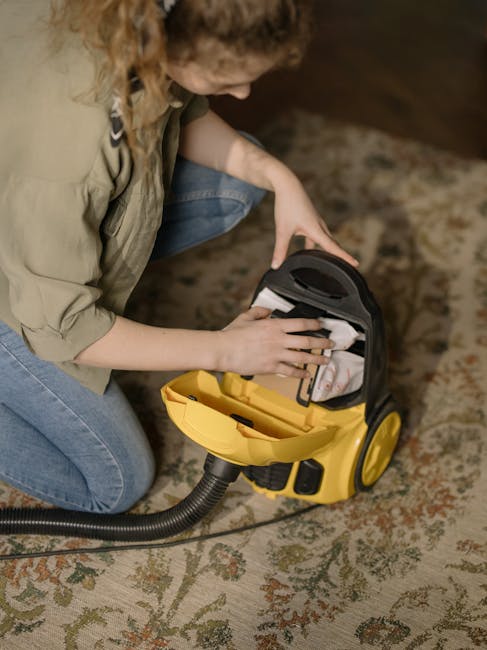
Before any deep cleaning, remove loose grit and dust. Do not rush this part. A thorough vacuuming makes the rest of the process more effective and reduces the chance of rubbing dirt deeper into the fibres. Move slowly in overlapping passes, especially near doorways and along skirting boards.
2. Identify the problem areas
Look for traffic lanes, food spills, pet accidents, and any spots that have a different texture or sheen. A quick once-over is not enough. Kneel down and actually inspect the pile. You will notice things you miss from standing height.
3. Test any stain treatment first
Not every stain responds the same way. Before using a spot solution, test it in a hidden corner. This is especially important for natural fibres, older carpets, or anything with colour variation. A tiny patch test can save a lot of regret.
4. Choose the right cleaning method
For heavily used family carpets, a deeper clean may be best. For delicate rugs or smaller areas, a gentler approach may be more suitable. If the carpet has pet problems, odour is often part of the equation, and that needs a different treatment mindset. In those cases, a specialist pet stain and odour removal service can be the sensible route.
5. Work from the outside of a stain inward
This helps prevent spreading the mark. Use light pressure. Blotting is usually better than scrubbing, which can rough up the pile and make the stain look worse. A bit frustrating, but there it is.
6. Control moisture carefully
Over-wetting is one of the most common errors in carpet care. Excess moisture can lead to slow drying, musty smells, and in some cases wicking, where old soil comes back up as the carpet dries. Good extraction matters as much as the cleaning solution itself.
7. Allow proper drying time
Keep the room ventilated, avoid heavy foot traffic, and do not replace furniture too early if the carpet is still damp. A carpet that dries cleanly usually looks better and stays fresher longer.
Expert Tips for Better Results
A few small habits make a large difference. The first is consistency. Regular maintenance is easier, cheaper, and less stressful than waiting until every room looks tired. Nobody enjoys last-minute scrubbing before visitors arrive, especially when the stain has had two weeks to settle in.
Here are the tips that tend to matter most:
- Vacuum slowly rather than quickly. Fast passes lift surface fluff but miss embedded grit.
- Treat spills immediately. Blot first, then clean. Do not rub like you are trying to erase the carpet.
- Use minimal product. More cleaning solution does not mean better cleaning. Often it means more residue.
- Keep a stain kit handy. White cloths, a neutral cleaner, and a small spray bottle are enough for many emergencies.
- Rotate furniture where possible. This can reduce permanent pressure marks in one part of the room.
- Ask about drying expectations. A clear, practical answer is usually a good sign.
It also helps to think beyond the carpet itself. Curtains, sofas, and rugs all hold dust and odour too. If a room still feels flat after carpet cleaning, it may be worth pairing it with sofa cleaning, curtain cleaning, or rug cleaning. Not always necessary, but sometimes the room needs the full reset.
Common Mistakes to Avoid
Most carpet problems do not happen all at once. They creep in through small mistakes. A bit of overconfidence here, a rushed clean there, and suddenly the carpet is patchy or feels sticky underfoot.
- Scrubbing stains aggressively: this can damage fibres and spread the mark.
- Using too much water: it slows drying and increases the chance of odour.
- Skipping vacuuming: loose grit gets pushed deeper when cleaning begins.
- Ignoring the carpet fibre type: wool, synthetic, and blended carpets should not all be treated the same way.
- Leaving stain treatment too long: some products need prompt removal, not a long soak.
- Moving furniture back too early: you can trap moisture and leave marks.
- Assuming all carpet cleaners do the same thing: methods, equipment, and carefulness vary a lot.
One subtle mistake is forgetting the backing and underlay. If liquid has soaked deep, the smell may linger even after the surface looks fine. That is when a deeper assessment is useful, especially in homes with pets or repeated spill areas.
Tools, Resources and Recommendations
You do not need a shed full of gadgets to care for carpets properly. In fact, too many products can make things worse. A small, sensible kit usually works best.
| Tool or item | Why it helps | Best use |
|---|---|---|
| Vacuum with adjustable height | Removes dry soil without roughing up the fibres | Weekly maintenance and pre-clean prep |
| White absorbent cloths | Make it easier to blot stains without dye transfer | Fresh spills and spot treatment |
| Neutral carpet cleaner | Useful for general spots when used carefully | Small spills and light marks |
| Soft brush | Can lift pile gently without harsh scrubbing | Agitating mild soil before cleaning |
| Fans or good ventilation | Helps drying and reduces lingering dampness | After any wet clean |
If you are planning professional treatment, it is worth checking practical information up front. Clear pricing, payment expectations, and safety details matter. Pages such as pricing and quotes, payment and security, and insurance and safety are useful to review before booking.
For customers who care about cleaner disposal and lower waste, sustainability can also be part of the decision. A service that takes waste handling seriously and avoids unnecessary product use is usually the better long-term fit. You can look at recycling and sustainability for the broader approach.
Law, Compliance, Standards, or Best Practice
Carpet cleaning in homes is not usually a heavily regulated activity in the way some specialist trades are, but good practice still matters. Reputable cleaners should work carefully, communicate clearly, and handle customer property responsibly. In the UK, it is normal to expect honest pricing, sensible safety practices, and appropriate insurance cover where services are being delivered in your home.
There are also practical expectations around accessibility, complaints handling, and privacy when a company is dealing with customer details and home visits. Those may not be the headline issues people think about, but they do say a lot about how organised and trustworthy a business is. If you are comparing providers, it is reasonable to look at pages like about us, terms and conditions, privacy policy, and complaints procedure. They give you a better sense of how the company operates.
For cleaning methods themselves, best practice usually means matching the process to the fibre, using products carefully, controlling moisture, and leaving the home in a safe condition. Simple enough in theory. Harder in practice, which is why experience still counts.
Options, Methods, or Comparison Table
If you are deciding how to approach carpet care in a Nonsuch Park home, it helps to compare methods side by side. The best method depends on the carpet, the amount of dirt, and how quickly you need the room back in use.
| Method | Best for | Advantages | Watch outs |
|---|---|---|---|
| Hot water extraction / steam cleaning | Deep soil, busy family rooms, traffic lanes | Strong cleaning power, good overall refresh | Needs correct drying and moisture control |
| Low-moisture cleaning | Quick turnaround, lighter soil, some commercial settings | Shorter drying time, less disruption | May not suit heavily soiled carpets |
| Spot and stain treatment | Specific marks and small problem areas | Targeted, efficient, useful between full cleans | Not a full replacement for deep cleaning |
| Specialist odour treatment | Pet accidents or recurring smells | Addresses hidden causes more effectively | May need more than a surface clean |
There is no single winner for every home. That is the honest answer. A wool carpet in a formal sitting room needs a different approach from a synthetic carpet on the stairs that sees muddy boots every morning. If your home has mixed flooring, a combination approach is often the most sensible.
Case Study or Real-World Example
A typical local scenario goes something like this. A family in a Cheam Village house near the park notices their through-lounge looks fine in daylight, but in the evening the carpet feels flat and slightly dull. There is a faint smell near the sofa area, and a couple of older marks have stayed visible even after repeated spot cleaning. Nothing dramatic. Just that slow, nagging sense that the room needs attention.
They start with vacuuming and a few household products, which helps a little. But the traffic lanes remain obvious, and the smell keeps returning after the room warms up. So they arrange a proper carpet clean, including focused stain treatment in the seating area and a deeper clean through the main walking route. The carpet dries well, the pile lifts, and the room suddenly feels brighter. Not magic. Just the kind of reset that makes daily life feel easier.
The interesting part is what happened next. Because the carpet was cleaner, they found they could keep on top of maintenance with a normal vacuum and occasional spot treatment rather than constantly chasing the same issues. That is often the real win. Less ongoing fuss, more breathing room.
Practical Checklist
Use this before, during, or after carpet cleaning. Simple, yes. Useful? Very.
- Vacuum the carpet thoroughly before any wet cleaning
- Identify stains, high-traffic areas, and delicate fibres
- Test any cleaner on a hidden area first
- Choose a method suited to the carpet type
- Avoid over-wetting the pile
- Blot spills rather than scrubbing them
- Keep windows open or use ventilation for drying
- Delay moving heavy furniture back until the carpet is properly dry
- Check for lingering odour after the carpet dries
- Review stain-prone rooms for future prevention, not just one-off fixes
Quick reminder: if a room still feels stale after surface cleaning, the issue may be deeper than visible dirt. That is usually the point where a more thorough professional approach makes sense.
Conclusion
Cheam Village homes near Nonsuch Park often have carpets that work hard without much complaint. Mud from a walk, crumbs from family life, pet mess, and everyday dust all build up quietly. Over time, the carpet stops looking like part of the room and starts looking like something you have to work around.
A sensible cleaning plan changes that. Start with good maintenance, choose the right method for the fibre and the level of soil, and do not fall into the trap of over-cleaning or over-wetting. If you get those basics right, carpets last longer, smell fresher, and make the whole house feel more settled. That is what most people actually want, after all.
If you are weighing up your next step, comparing service details, or simply want a clearer idea of what is involved, explore the practical information available on the site and choose the approach that fits your home best. A calm, clean carpet has a way of making everything else feel more manageable. And honestly, that is no small thing.
Get a free quote today and see how much you can save.
Frequently Asked Questions
How often should carpets be cleaned in a home near Nonsuch Park?
It depends on use. Busy households with children, pets, or regular visitors often benefit from deeper cleaning more often than quieter homes. The key sign is not a calendar date but the condition of the carpet: visible traffic lanes, lingering odour, or stains that keep returning.
Is steam cleaning safe for all carpets?
No, not automatically. Steam or hot water extraction works well for many synthetic carpets and heavily used areas, but delicate fibres or older carpets may need a gentler method. Always match the method to the material.
Can I clean carpet stains myself?
Yes, for small fresh spills, careful blotting and a suitable cleaner can work well. But if the stain has set in, if the carpet is wool, or if the mark keeps coming back, professional treatment is often the safer option.
Why does my carpet smell after cleaning?
That usually points to too much moisture, residue left behind, or a stain that reached deeper into the backing or underlay. Good drying and proper extraction help reduce this risk.
How long does carpet drying usually take?
Drying time varies with the method used, ventilation, carpet thickness, and room temperature. Lower-moisture methods dry faster, while deep wet cleaning needs more time and airflow. It is better to give it enough time than to rush furniture back too soon.
What is the best method for homes with pets?
Homes with pets often need a mix of stain treatment, odour removal, and deep cleaning. If there has been urine or repeated marking, a specialist approach is usually more effective than a standard surface clean.
Do I need to move furniture before carpet cleaning?
Sometimes, but not always. Light items are often moved, while larger or fragile furniture may stay in place or be handled with care as part of the service. It is sensible to ask in advance so there are no awkward surprises on the day.
Will carpet cleaning remove every stain?
Not necessarily. Some stains are permanent, especially if they have been left too long or treated with the wrong product. A good cleaner should be honest about what can be improved and what may remain visible.
Is carpet cleaning worth it before selling a house?
Usually, yes. Clean carpets can improve first impressions and help rooms feel brighter and better maintained. It is one of those jobs that tends to pay back in the feel of the space, even if buyers do not mention it directly.
How do I choose a trustworthy carpet cleaning provider?
Look for clear pricing, straightforward terms, safety information, insurance details, and a sensible complaints process. A trustworthy provider should explain their method clearly and not make exaggerated promises.
Can carpet cleaning help with allergies?
It can help reduce dust, pollen, and other trapped debris, though results vary. Regular vacuuming and proper deep cleaning can make a noticeable difference to how fresh a room feels.
What should I check after the carpet has been cleaned?
Look for even drying, a neutral smell, a lifted pile, and no sticky residue. If you notice damp patches or a lingering odour, raise it promptly rather than waiting. Small issues are easier to sort out early.