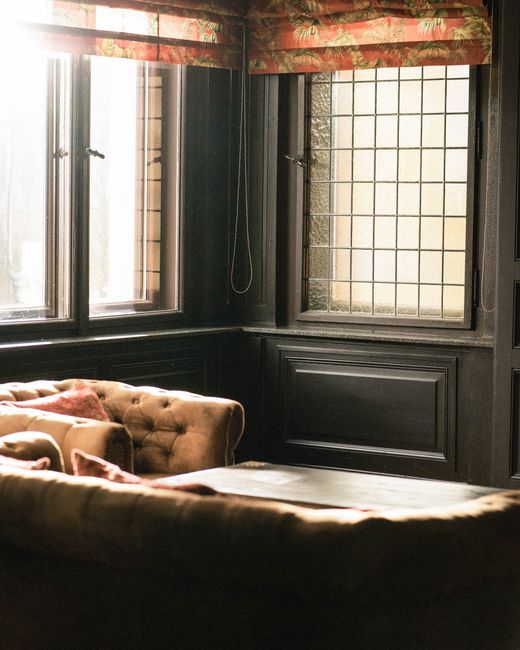
Cheam Broadway upholstery cleaning for period properties
Period homes have a certain charm that you can feel the moment you step inside. The sash windows, original cornicing, polished wood, maybe a heavy armchair that has been in the family longer than anyone quite remembers. But that character also brings a challenge: upholstery in older properties often needs a gentler, more considered approach than standard modern-home cleaning. If you are looking into Cheam Broadway upholstery cleaning for period properties, the real question is not just can it be cleaned? It is how do you clean it without damaging fabric, finish, or the feel of the room?
This guide walks through what makes period-property upholstery different, how professional cleaning usually works, what to watch out for, and how to decide when it is worth booking a specialist. A lot of people assume upholstery is upholstery. Truth be told, that is how people end up with tide marks, flattened pile, or a sofa that smells "clean" but looks oddly tired. Let's not do that.
Why Cheam Broadway upholstery cleaning for period properties Matters
Period properties tend to hold onto dust, soot, and everyday wear in a way newer homes sometimes do not. Older windows may let in more draughts, heavier textiles can trap particles, and original rooms often have layered furnishings that have simply been looked after rather than replaced. That means upholstery can carry more than visible marks; it can also hold odours, allergens, and a dull film that slowly steals the life out of the fabric.
In Cheam Broadway, many homes and interiors have that classic British mix of style and practicality. You may have a Victorian chaise, an Edwardian sofa, dining chairs with carved frames, or a more modest but still delicate settee from a later period. Each of these can react differently to water, heat, agitation, and chemicals. Cleaning them well is not about blasting everything with the strongest product available. It is about respecting the material and the age of the piece.
Why does that matter so much? Because damage in a period setting can be hard to reverse. A harsh cleaner may lighten one patch, a fast-drying method may leave rings, and over-wetting can affect stuffing, glue, or nearby woodwork. You do not always notice the mistake straight away, which is a bit of a nuisance. By the time the fabric looks "off", the issue may already be set in.
Expert summary: The best results for period-property upholstery come from low-risk inspection, fabric-specific treatment, controlled moisture, and careful drying. If any part of the furniture is historic, fragile, or valuable, caution beats speed every time.
There is also the comfort factor. A well-cleaned armchair can brighten a room instantly, especially in homes where the upholstery is part of the overall atmosphere. You notice it in the morning light. You notice it again when the room no longer has that old, slightly musty edge. Small thing? Not really. It changes how the whole house feels.
How Cheam Broadway upholstery cleaning for period properties Works
Professional upholstery cleaning is usually a step-by-step process, and with period properties the first step is often the most important one: inspection. The cleaner needs to identify the fabric type, any manufacturer labels if present, the age and condition of the piece, the construction, and any previous treatments. A velvet seat, for example, should not be handled the same way as a cotton blend, and a horsehair-filled antique seat is a very different job again.
Most reputable upholstery cleaning follows some variation of the process below:
- Assessment and fibre check - determine whether the item can tolerate wet cleaning, low-moisture cleaning, or only specialised care.
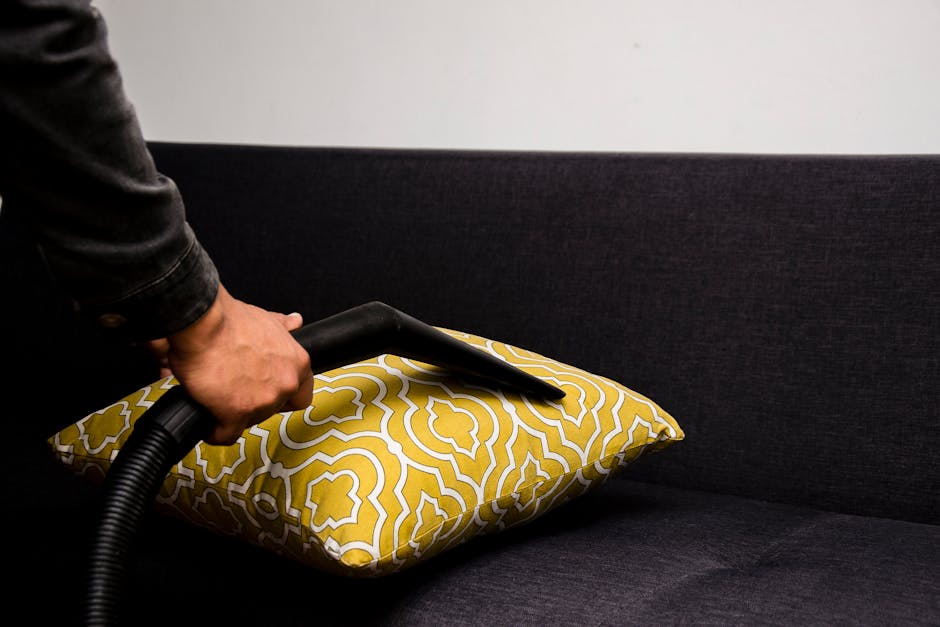
- Dry soil removal - vacuuming with suitable attachments to remove grit, dust, and loose particles before any liquid is used.
- Spot testing - trying a small hidden area first to check colourfastness and reaction.
- Pre-treatment - loosening body oils, light staining, or traffic marks with a safe, fabric-appropriate solution.
- Main clean - using controlled extraction, low-moisture methods, or hand-cleaning depending on the item.
- Detail work - treating seams, buttons, arms, and high-touch points carefully.
- Drying and grooming - supporting the fabric pile, airflow, and final inspection.
For period properties, drying matters almost as much as cleaning. Older homes can be cooler, a bit draughty, or less predictable in humidity. That can slow drying and increase the risk of lingering odour or tide marks. If you have ever come back after a "quick clean" to find the sofa still damp the next morning, you will know exactly what a headache that creates.
Some jobs are more suited to professional upholstery cleaning than DIY attempts because the item has sentimental value, unusual fabric, or old repairs that could react badly. In those cases, experience matters more than equipment. Anyone can spray and scrub. Not everyone can tell when not to.
Key Benefits and Practical Advantages
There are the obvious benefits first: cleaner fabric, fresher smells, and a more attractive room. But with Cheam Broadway upholstery cleaning for period properties, the real value often sits a layer deeper.
- Preserves character - careful cleaning helps maintain the look and feel of original furniture rather than replacing it too early.
- Supports fabric longevity - removing grit and embedded soil reduces wear from friction over time.
- Improves day-to-day comfort - fresher upholstery makes sitting rooms and bedrooms feel calmer and more inviting.
- Helps with allergens - dust and pet dander trapped in fabrics can be reduced through proper cleaning.
- Can revive dull colour - many fabrics look brighter once the hidden film of soil is lifted away.
- Protects investment pieces - quality furniture is expensive to replace, especially if it is bespoke, antique, or family-owned.
There is also a practical household benefit that people sometimes overlook: clean upholstery supports a cleaner room overall. Sofa arms, cushions, and dining chairs collect crumbs, skin particles, pet hair, and everyday dust. If those surfaces are refreshed properly, the whole space feels easier to keep on top of. It is one of those small wins that adds up.
If your property has mixed uses, such as a family home with regular entertaining, or a rented period flat where presentation matters, upholstery care can make a real difference to how the property is experienced. Guests notice. Tenants notice. You notice, even if you only realise it after the fact.
Who This Is For and When It Makes Sense
This kind of service is especially useful if your home contains older or delicate furnishings, or if the property itself has characteristics that make standard cleaning less predictable. It makes sense for homeowners, landlords, estate managers, and anyone caring for a cherished piece that has seen better days but is far from ready for the skip.
You may want specialist upholstery cleaning if you have:
- an antique or vintage sofa that is still structurally sound
- fabric dining chairs in a formal reception room
- velvet, silk blend, wool, or other sensitive textiles
- family furniture with sentimental rather than market value
- marking from drinks, everyday use, or pet contact
- a room that smells stale despite regular vacuuming
- curtains, rugs, or other textiles that need coordinated care
It is also a sensible choice if the item has already been cleaned badly once. That sounds bleak, but it happens. Over-wetting, incorrect detergent, and rubbing stains too aggressively can leave a fabric more tired than before. In those situations, gentle correction is often the smartest route.
On the other hand, if the upholstery is structurally unstable, seriously decayed, or carrying historic damage, cleaning may not be the priority. Sometimes conservation-style advice is better than a cleaning appointment. That is where a decent cleaner earns trust by saying, "Actually, I would not push this." Refreshing honesty. Rare, but lovely when it happens.
Step-by-Step Guidance
If you are planning upholstery cleaning for a period home, the process goes more smoothly when you prepare properly. Here is a practical way to approach it.
- Identify the fabric and condition
Look for care labels, old repair marks, loose stitching, fading, water spots, or areas where the fabric feels fragile. If the piece is valuable, take a few photos before anything begins. - Vacuum first
Use a soft brush attachment and go gently. The aim is to remove dry soil without dragging dirt deeper into the weave. - Flag problem areas
Point out stains, odours, pet marks, fading, or areas that have already been treated. It helps the cleaner decide whether to test, spot clean, or leave certain sections alone. - Confirm the safest method
Ask whether the item is suitable for hot water extraction, low-moisture cleaning, hand cleaning, or dry methods. For older upholstery, the safest option is not always the wettest one. - Prepare the room
Clear side tables, lamps, and fragile objects nearby. Better still, make space for airflow around the furniture after cleaning. - Let the piece dry fully
Open windows if conditions allow, use fans if recommended, and avoid sitting on the furniture too soon. That one is annoying, yes, but worth it. - Inspect once dry
Check for any remaining marks, rings, or raised fibres. Good work should look balanced, not patchy or overdone.
A helpful rule of thumb: if you are unsure, stop and test first. Rushing is where upholstery jobs go sideways. It happens fast, too. One enthusiastic scrub and suddenly the chair looks like it has had a minor argument with chemistry.
Expert Tips for Better Results
There are a few habits that make a big difference, especially in older homes. None of them are dramatic. They are the quiet, unglamorous things that keep the result looking good for longer.
- Use the least aggressive method that works. Period fabric rarely rewards brute force.
- Test hidden areas first. Inside backs, under skirts, and behind cushions are often the safest spots.
- Work with the fabric, not against it. Velvet, for example, often needs pile-aware handling so it does not look crushed.
- Avoid soaking seams. Older stitching and hidden stuffing can hold moisture longer than the surface suggests.
- Treat odour separately from surface dirt. Fresh-looking fabric can still carry a stale smell if the source is embedded deeper.
- Keep airflow in mind. A sunny hour in the morning can help, but damp weather or poor ventilation can slow the job right down.
Here is a small, practical observation: in many period properties, the room itself affects the outcome. Thick curtains, old radiators, carpets, and limited airflow all shape drying time. A cleaner who understands that will plan accordingly rather than leaving you to guess. That bit matters more than people think.
If you are cleaning more than one item, try to coordinate the order. Sofas first, then chairs, then anything delicate or decorative. It keeps the room workable and reduces the chance of damp fabric being brushed or marked by accident.
And yes, sometimes the best tip is simply this: do less. Less agitation, less water, less pressure. Very unexciting. Very effective.
Common Mistakes to Avoid
Most upholstery problems come from trying to fix something too quickly. The classic mistakes are easy to spot once you know what to look for.
- Skipping the test patch - never assume the colour will hold just because the fabric looks sturdy.
- Using too much water - over-wetting can lead to rings, slow drying, and hidden moisture in the padding.
- Scrubbing stains hard - that often spreads the mark and roughens the fibres.
- Mixing random products - not a great plan on modern upholstery, and even worse on older pieces.
- Ignoring the furniture frame - delicate wood, trims, or upholstery tacks can be affected by careless cleaning.
- Putting cushions back too soon - trapped moisture can bring back smells or create uneven drying.
Another mistake is assuming all "eco" or "gentle" products are automatically safe for period upholstery. Safer does not mean universally safe. The chemical makeup still matters, as does the application method. If something smells pleasant and foams a lot, that does not make it suitable. Sorry, but the bottle's cheerful label is not a technical guarantee.
One more common issue: trying to clean around a stain without dealing with the surrounding soil. That is how tide marks happen. Clean the full panel or blend the treatment carefully, otherwise you can end up with a neat little halo that is somehow more noticeable than the original mark.
Tools, Resources and Recommendations
You do not need a workshop full of equipment to care for upholstery properly, but the right tools make the job safer and more consistent. If you are comparing providers, ask what they use and how they choose the method for each fabric type.
| Tool or resource | What it helps with | Why it matters in period properties |
|---|---|---|
| Soft brush vacuum attachment | Removing dry dust and grit | Reduces abrasion before any wet cleaning begins |
| Fibre-safe spot test kit or test method | Checking colourfastness | Helps prevent dye transfer and patchy results |
| Low-moisture upholstery system | Controlled cleaning with less saturation | Useful where padding or trim may react badly to excess water |
| Absorbent white cloths | Blotting and moisture control | Allows clearer stain lifting without dye transfer from coloured cloths |
| Air movement and drying support | Speeding dry time | Helps limit odour, dampness, and water marks in older homes |
If you are looking for a broader home-care approach, upholstery care works best alongside regular carpet and textile maintenance. Services such as upholstery cleaning, sofa cleaning, and curtain cleaning can be planned together so the whole room feels refreshed rather than half-done. For homes where odours from pets are part of the picture, pet stain odour removal may also be relevant.
If you are still weighing up the practical side, it can help to review the company's pricing and quotes information so you know what to expect before booking. That saves awkward surprises later, and nobody enjoys those.
Law, Compliance, Standards, or Best Practice
For most homeowners, upholstery cleaning is not a heavily regulated service in the way some trades are. Even so, there are still sensible standards to expect. A professional cleaner should work safely, use products appropriately, and communicate any risks clearly. In a period property, that is not just good manners; it is basic professionalism.
Best practice usually includes:
- clear explanation of the method being used
- reasonable caution around delicate fabrics and antique pieces
- appropriate insurance and safety awareness
- careful handling of electrical items, flooring, and nearby decor
- transparent treatment of limitations where cleaning may not fully remove a mark
It is also sensible to ask whether a business has a documented approach to health and safety, complaints, privacy, and payment security. Those things may sound like back-office detail, but they are a good sign that the company runs properly. You can usually find related information on pages such as health and safety policy, insurance and safety, terms and conditions, and payment and security.
If sustainability matters to you, especially in a home where preservation is part of the story, you may also want to understand how waste water, packaging, or product choices are handled. A responsible provider should be able to discuss its recycling and sustainability approach in plain English.
One last point: if something goes wrong, you want to know there is a proper route for feedback. A clear complaints procedure is not just box-ticking. It tells you the business is prepared to stand behind its service.
Options, Methods, or Comparison Table
Different fabrics and furniture styles call for different approaches. The right method depends on the item's age, construction, and condition. There is no magic one-size-fits-all answer, which is mildly inconvenient but absolutely true.
| Method | Best for | Pros | Watch-outs |
|---|---|---|---|
| Hot water extraction | Durable modern upholstery and some robust fabrics | Deep soil removal, strong refresh, effective on many common marks | Can be too wet for older pieces or delicate fillings |
| Low-moisture cleaning | Sensitive fabrics and furniture needing gentler treatment | Less drying time, reduced water risk, useful in cooler homes | May not suit all deep staining situations |
| Hand cleaning / controlled spot treatment | Antique, fragile, or highly detailed items | Maximum control, good for tricky sections and trim | More time-consuming and not always suitable for large soiling |
| Dry cleaning style methods | Very delicate fabrics or specialist pieces | Minimal moisture, lower risk for certain materials | Not all stains respond equally well |
If you are unsure which method fits your furniture, start with the least aggressive option that is still effective. That is usually the safest professional mindset. A good cleaner should be able to explain why they chose one method over another, without hiding behind jargon. If they start sounding like a washing machine manual, ask again.
Case Study or Real-World Example
Here is a realistic example from the kind of work often seen in older homes around Cheam Broadway. A homeowner had a pair of upholstered dining chairs and a three-seater sofa in a late-period property. The set had lovely proportions, but the fabric was dulled by everyday use. One chair had a faint tea mark, the sofa arms had built-up body soil, and the whole room had a slightly flat look by late afternoon.
The first step was a careful inspection. The fabric was tested in a discreet area, and the cleaner confirmed that a low-moisture approach was safer than a heavy wet clean. Dry soil was removed first, then the marked areas were treated individually. The sofa arms were cleaned more cautiously than the seat fronts because they were more worn, and the dining chairs were handled so the decorative edging did not get overly damp.
What changed? Not just the stains. The room looked lighter. The fabric colour appeared more even, the stale note in the air lifted, and the chairs looked like they belonged again instead of being a bit apologetically tucked into the corner. The homeowner did not need a full replacement, which was the main point. The furniture still looked like itself, just better. That is the sweet spot.
The lesson is simple: cleaning in a period setting is often about restraint, not transformation. You want freshness, not reinvention. You want the chair to still feel like the chair your house was built around. A small thing, maybe. But these details are exactly what give older homes their warmth.
Practical Checklist
Use this before booking or carrying out any upholstery cleaning in a period property.
- Check for labels, fibre type, or any known cleaning history
- Look for loose seams, fragile piping, or damaged buttons
- Note any stains, odours, pet marks, or water rings
- Photograph the item before treatment if it is valuable
- Ask whether a test patch will be done first
- Confirm how drying will be managed
- Clear nearby furniture and decorations
- Make sure you know when the item can safely be used again
- Ask what happens if a stain cannot be fully removed
- Keep windows, airflow, and access in mind for the day of cleaning
Quick reminder: if the upholstery looks fragile, smells mouldy, or has a history of failed DIY cleaning, that is a reason to slow down, not push harder.
Conclusion
Cheam Broadway upholstery cleaning for period properties is really about respect: respect for the age of the home, the character of the furniture, and the materials sitting quietly in your living room or dining space. Done well, it restores freshness without stripping away the charm that made you keep the piece in the first place.
The best outcomes come from careful inspection, the right method for the fabric, controlled moisture, and a bit of patience during drying. If you take anything from this guide, let it be this: older upholstery rewards gentle expertise far more than hurried effort. And in a period home, that little bit of care can transform how the whole room feels.
If you are comparing providers, ask how they handle delicate textiles, how they manage drying, and what they do when a piece needs extra caution. Good answers are usually clear, calm, and specific. That is what you want.
Get a free quote today and see how much you can save.
Sometimes the nicest result is simply walking back into the room and feeling it breathe again.
Frequently Asked Questions
What makes upholstery in period properties harder to clean?
Older furniture often has more delicate fabrics, aged stitching, original fillings, and previous repairs that can react badly to moisture or chemicals. The room itself can also be less predictable in drying conditions.
Can all period upholstery be steam cleaned?
No. Some pieces can tolerate extraction or steam-assisted methods, but many antique or fragile items need low-moisture or hand-cleaning approaches instead. A fabric test is essential before deciding.
How do I know if my sofa is safe to clean?
Check for care labels if available, look for visible wear or damage, and ask for a test patch on a hidden area. If the fabric is faded, brittle, or previously repaired, extra caution is wise.
Will cleaning remove old stains completely?
Not always. Some stains have set deeply into fibres or padding, especially if they were treated badly before. A good cleaner should explain what is likely to improve and what may only fade.
How long does upholstery take to dry in an older home?
Drying time varies by fabric, method, airflow, and room temperature. Period homes can be cooler and less ventilated, so drying may take longer than in newer properties.
Is it worth cleaning antique chairs, or should I replace them?
If the chair is structurally sound and holds sentimental or design value, cleaning is often worth considering. Replacement may make sense only if the upholstery is badly deteriorated or unsafe to use.
Can upholstery cleaning help with stale smells in a period house?
Yes, particularly when odours are trapped in the fabric or cushioning. If the smell is caused by damp, mould, or ventilation issues, cleaning may help but may not solve the root cause on its own.
What should I ask before booking a cleaner?
Ask what method they plan to use, whether they will test the fabric first, how they handle fragile or antique items, how long drying should take, and what support they offer if a mark does not shift.
Are eco-friendly products automatically best for period upholstery?
Not necessarily. Gentler products can be helpful, but suitability depends on the fabric, finish, and cleaning method. Safe use matters more than the marketing label on the bottle.
Can I clean period upholstery myself?
You can do light vacuuming and careful spot testing, but deeper cleaning is riskier on older furniture. If the piece is valuable, fragile, or already marked, professional help is usually the safer option.
Does upholstery cleaning affect nearby wood trim or antique frames?
It can, if products or moisture are not controlled carefully. That is why professional cleaners should protect surrounding surfaces and avoid soaking seams, piping, and wood detailing.
How often should upholstery in period homes be cleaned?
That depends on use, pets, smoke exposure, dust levels, and fabric type. Many homeowners choose periodic maintenance rather than waiting for heavy soiling, which is usually better for delicate pieces.
Where can I find more service information before I decide?
You can review general service pages such as about us, contact us, and blog to learn more about the business, ask questions, and explore related cleaning guidance.